

NanoLaserPeel
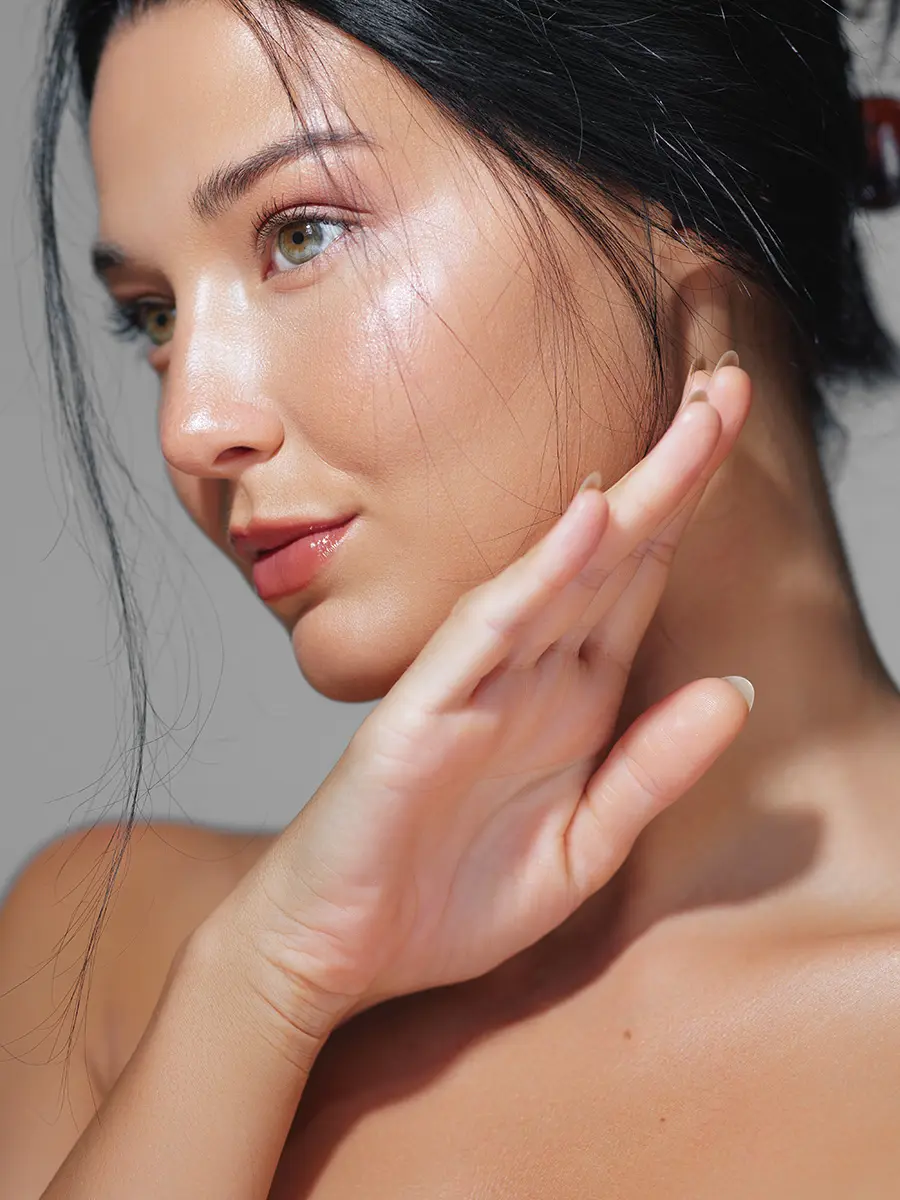
A NanoLaserPeel uses light energy to instantly remove the top layers of the skin at a depth that also accelerates the skin’s own renewal process by activating special messenger cells. Microdermabrasion and chemical peels often don’t get deep enough, and other lasers leave a layer of heat-damaged cells that interrupt the ability of these messenger cells to communicate with deeper layers of skin. Only the NanoLaserPeel from Sciton has the precision to work at just the right depth, creating beautifully smooth, luminous skin.
What is NLP?
NanoLaserPeel removes a thin layer of damaged skin to improve texture and provide a more youthful appearance. It provides superior results because it can be administered with great precision of depth. The procedure is performed in our office and can be custom-tailored to your specific skin conditions and desired outcome.
How does NLP work?
The NanoLaserPeel beam is scanned over a treatment area to remove a very thin layer of the skin. Removing the top layer eliminates some of the damaged cells that can give skin a tired, aged look. Plus, it activates messenger cells to trigger the body’s natural healing process. As the skin heals, fresh cells grow and resurface the treated area. The result is healthier-looking skin, often with reduced wrinkles and improved color evenness. Take your skin from “tired to vibrant.”
Recommended for:
- Mild wrinkles
- Scars
- Keratosis
- Sun damage/freckles
- Pigment irregularities
Expected downtime:
- Very minimal
MicroLaserPeel
A MicroLaserPeel removes a very thin layer of skin to improve fine lines, pigmentation, tone, and texture—restoring a more youthful appearance. Gently revitalizing the entire skin surface, a MicroLaserPeel is performed in one of our treatment rooms, and you can return to normal activities quickly.
Recommended for:
- Pigmentation
- Fine lines
- Tone and texture
Expected downtime:
- Very minimal
What is MLP?
A MicroLaserPeel removes a thin layer of damaged skin to improve texture and provide a more youthful appearance. It provides superior results because it can be administered with great precision of depth. The procedure is performed in our office and will be custom-tailored to your specific skin conditions and desired outcome.
How does MLP work?
The MicroLaserPeel’s beam is scanned over a treatment area to remove a very thin layer of the skin. Removing the top layer eliminates some of the damaged cells that can give skin a tired, aged look. As the skin heals, fresh cells grow and resurface the treated area. The result is healthier-looking skin, often with reduced wrinkles and improved color evenness. Patients often say that it looks like their skin went from looking tired to vibrant.
What conditions can be treated with MLP?
Mild wrinkles, scars, keratosis, sun damage/freckles, and pigment irregularities can all be treated with MLP.
Fractional Resurfacing With Profractional Therapy
Profractional therapy treats a fraction of the skin, stimulating new collagen growth and improving your skin’s tone and texture, and softening fine lines, deeper wrinkles, and the appearance of scars. Performed in our office, this treatment is quick, comfortable, and requires little to moderate downtime.
What is ProFractional therapy?
ProFractional therapy is a quick and comfortable laser procedure with little downtime, used for improving the overall appearance of your skin. This is performed in our office and can be custom-tailored to your specific skin conditions and desired outcome.
How does ProFrac work?
ProFractional uses a tiny laser beam to treat thousands of pinpoint areas of your skin. Because only a fraction of your skin is directly treated with the laser, the surrounding untreated tissue promotes rapid healing. The skin’s wound-healing response creates new collagen, which adds firmness and resilience to the skin.
What is the primary application of ProFractional?
Based on an assessment of your skin condition and cosmetic goals, your physician may choose to use ProFractional whenever a combination of resurfacing with minimal downtime is desired.
(wrinkles, scars, and sun damage).

Deep Resurfacing With Contour TRL
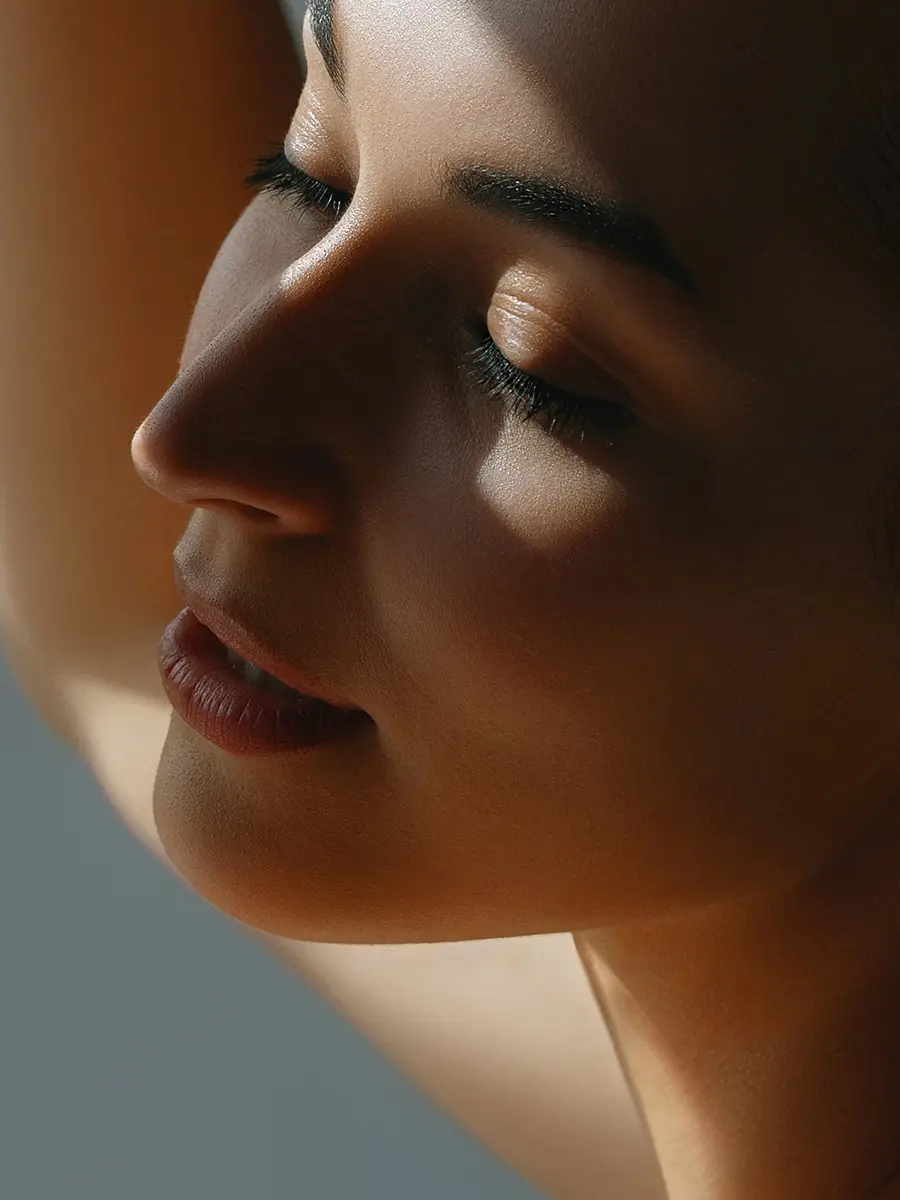
Contour TRL safely removes fine lines and deep wrinkles, including those pesky lines around the lips and eyes. Performed in our office, Contour TRL treatments are custom-tailored for you by our physician to achieve your desired outcome and expectations for downtime. No other non-surgical technology can turn back time as effectively as Contour TRL.
Recommended for:
- Deep wrinkles
- Scars
- Pigmentation
Expected downtime:
- Three to four days
Contour TRL: Safe & Effective Skin Resurfacing
As we age, the effects of sun damage and environmental pollutants take their toll on our skin, creating wrinkles and pigment irregularities, especially on our faces. A laser peel can be very successful at reducing or eliminating these conditions, and in fact, it is the best way to address the problematic lines that occur around the mouth and eyes. Though there are several types of lasers used to perform peels, Contour TRL is widely regarded as the safest, most effective laser available.
How does Contour TRL work?
Contour TRL safely removes a layer of skin to a depth determined by our physicians. The depth of treatment will depend on the skin condition, your desired outcome, and your expectation for downtime. Because Contour TRL can affect tissue with micro precision, your physician can treat your skin with the exact amount of energy needed—no more, no less. Treating skin with a laser stimulates the growth of new collagen, which improves the skin’s thickness and resilience. The skin surface will also regrow with fresh, healthy cells, which will give your skin a younger, rejuvenated appearance.
What conditions can be treated with Contour TRL?
Contour TRL can treat deep wrinkles (even in areas that are difficult to treat, like around the mouth and eyes), scars, solar spots, actinic keratoses, and poor skin tone/texture.
FAQs for Laser Resurfacing (MLP, NLP, Contour TRL)
What areas of the body can be treated?
The most commonly treated areas are the face and neck. Many other areas, such as the chest and hands, can also be treated. Sometimes laser resurfacing treatments are combined with traditional plastic surgery procedures as well as additional laser treatments to further improve results. Please discuss your needs and skin goals with your physician.
What will happen during the procedure?
Your skin will be cleaned in the treatment area, and your eyes will be protected with safety shields. The physician will position the laser over the skin while a computer-guided scanner moves the laser beam in the designated treatment area. Depending on the size of the area being treated, the procedure usually lasts 15–30 minutes.
Will it be uncomfortable?
The comfort level of laser resurfacing treatments varies from patient to patient, and depends largely on the depth of treatment. For shallow treatments, the procedure is well-tolerated with the use of a topical anesthetic. For deeper treatments, your physician may administer a nerve block or local anesthetic.
What should I expect immediately after the treatment?
Immediately following the treatment, you may experience redness and a sensation resembling a sunburn. Swelling may also occur in the treated areas. Your physician will advise you on specific after-treatment care recommendations, which may include analgesics and application of an ointment to keep the skin moist.
How long will it take to recover?
Complete healing will depend largely on the depth of treatment. Healing times for shallow treatments are typically two to four days before patients resume normal activities. For deeper treatments, you should discuss realistic expectations for recovery with your physician.
What aftercare do I need?
You may be given skin care products and instructions on how to use them. Your skin will be sensitive to ultraviolet light after the procedure, so you must avoid direct sun exposure until fully healed. It is recommended that you always use some level of sun protection to avoid sun damage and premature aging of your skin.
When should I expect results?
Depending on your treatment, the top layer of your skin will regrow and can be covered with makeup in about two days to one week, at which time you will see noticeable improvements in your skin’s texture, tone, and wrinkle appearance. Deeper laser treatments also stimulate the growth of new collagen over the next four to six months. During this time, the skin may show increasing improvements in tightness and resilience.
Schedule a Consultation Today in New Orleans
To determine which laser resurfacing treatment is best for you, reach out to Bartow Plastic Surgery. Call our office at (504) 305-8214 or fill out the online contact form to schedule a consultation today.